
What Happens in a Celebrant-led Wedding Ceremony?
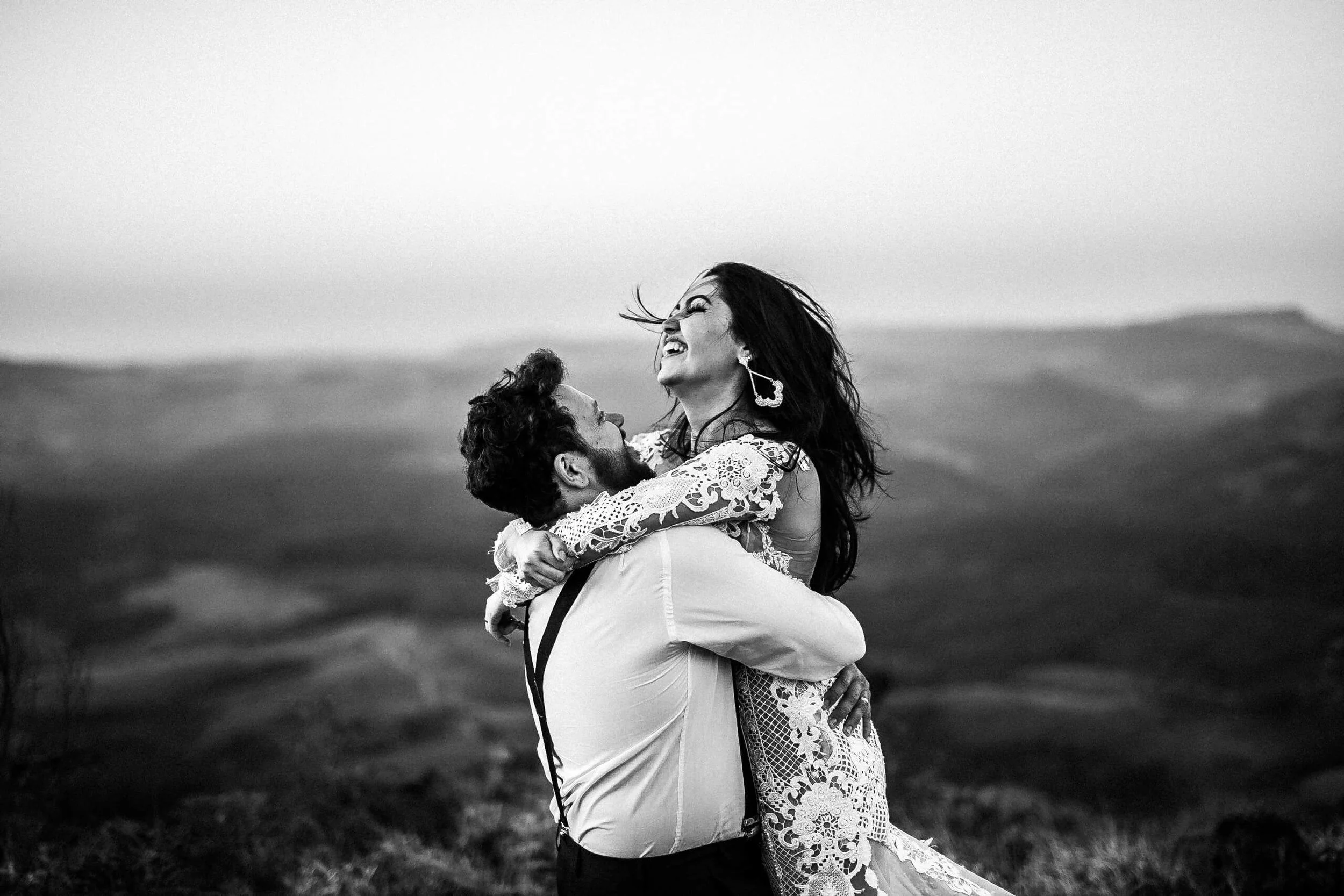
If you’re looking at celebrants for your wedding in Brighton or West Sussex, you’ve probably had the same thought most couples do at this point:
“But what actually… happens?”
And it’s a fair question.
Because unlike a registrar ceremony, there isn’t a set script, a fixed format, or a “this is how it always goes” structure. Which is lovely… but also slightly unhelpful when you’re trying to picture your own day.
So let me walk you through it—properly—so you can get a feel for how a celebrant ceremony flows, and more importantly, how it feels.
It starts long before the aisle
One of the biggest differences (and something couples often don’t expect) is that your ceremony doesn’t begin on the wedding day—it starts in the build-up.
We actually get to know each other.
Not in a stiff, interviewy way—but in a relaxed, real conversation about how you met, what you love about each other, the funny bits, the hard bits, and everything in between. The kind of things your friends know… but your guests don’t always get to hear.
That’s what your ceremony is built from. So by the time the day arrives, nothing feels generic or “plugged in”—because it isn’t.
Guests arrive… and it doesn’t feel formal
When your guests take their seats, the atmosphere tends to feel quite different from a traditional ceremony. Less “everyone sit still and be quiet”, more this is going to be something lovely.
You’re not waiting for a script to begin—you’re about to experience something that’s been created just for you.
The entrance (your way, not the standard way)
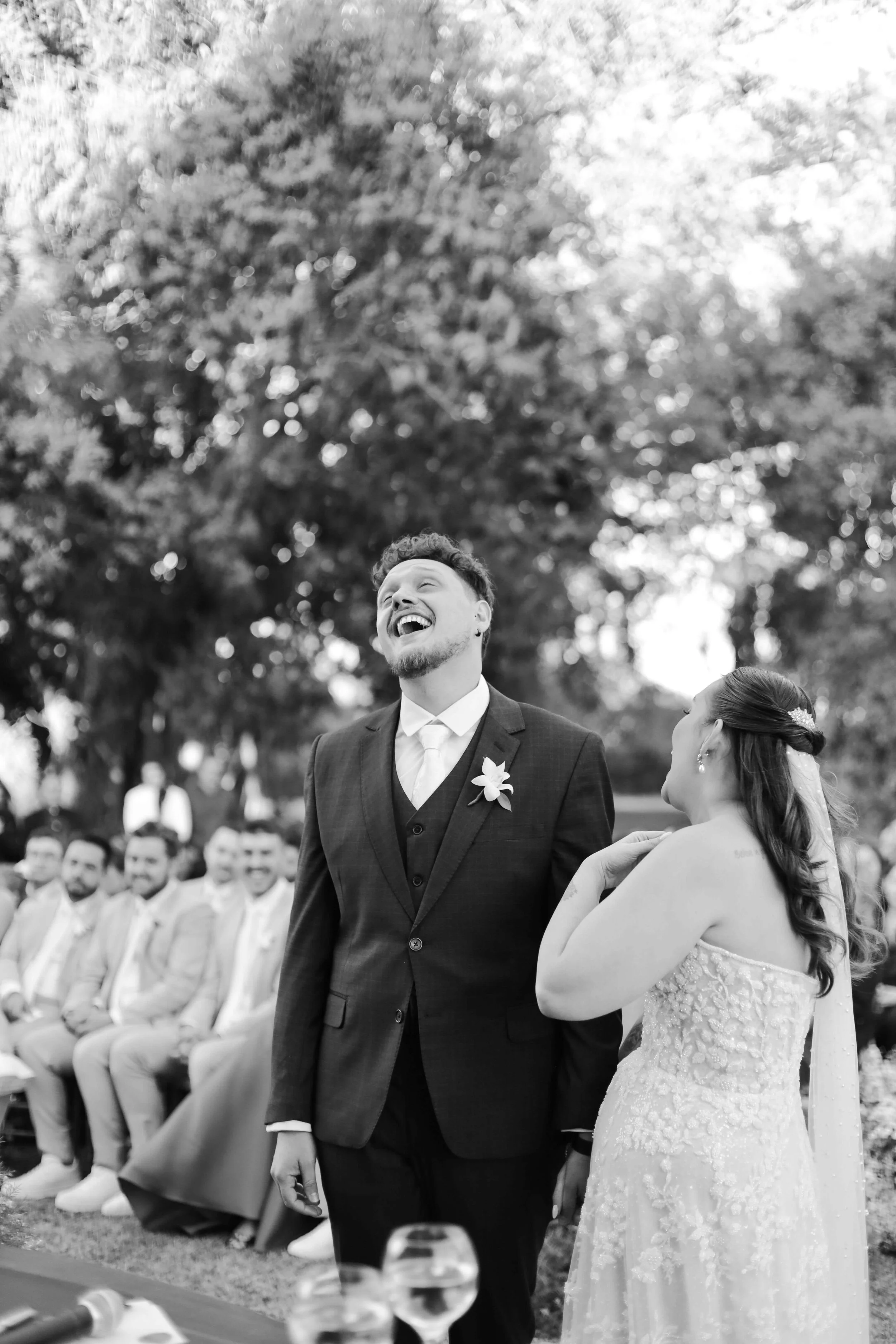
This is where things already start to feel more relaxed. You can absolutely walk down the aisle in the traditional way—but you don’t have to. You can walk in together, with your baby, with your dog, with whoever you like… or do something completely different.
There’s no right or wrong here. Just what feels comfortable.
Your story (this is the bit people remember)
Then we get into your story. And I won’t lie—this is usually where the atmosphere shifts..
Guests lean in. People start smiling at each other. There’s always a bit of laughter, usually a few surprised looks like “I didn’t know that!”, and often a couple of tears (even from the people who swore they wouldn’t cry).
Because it’s not generic. It’s the two of you, spot on. And that changes everything.
Vows that actually sound like you
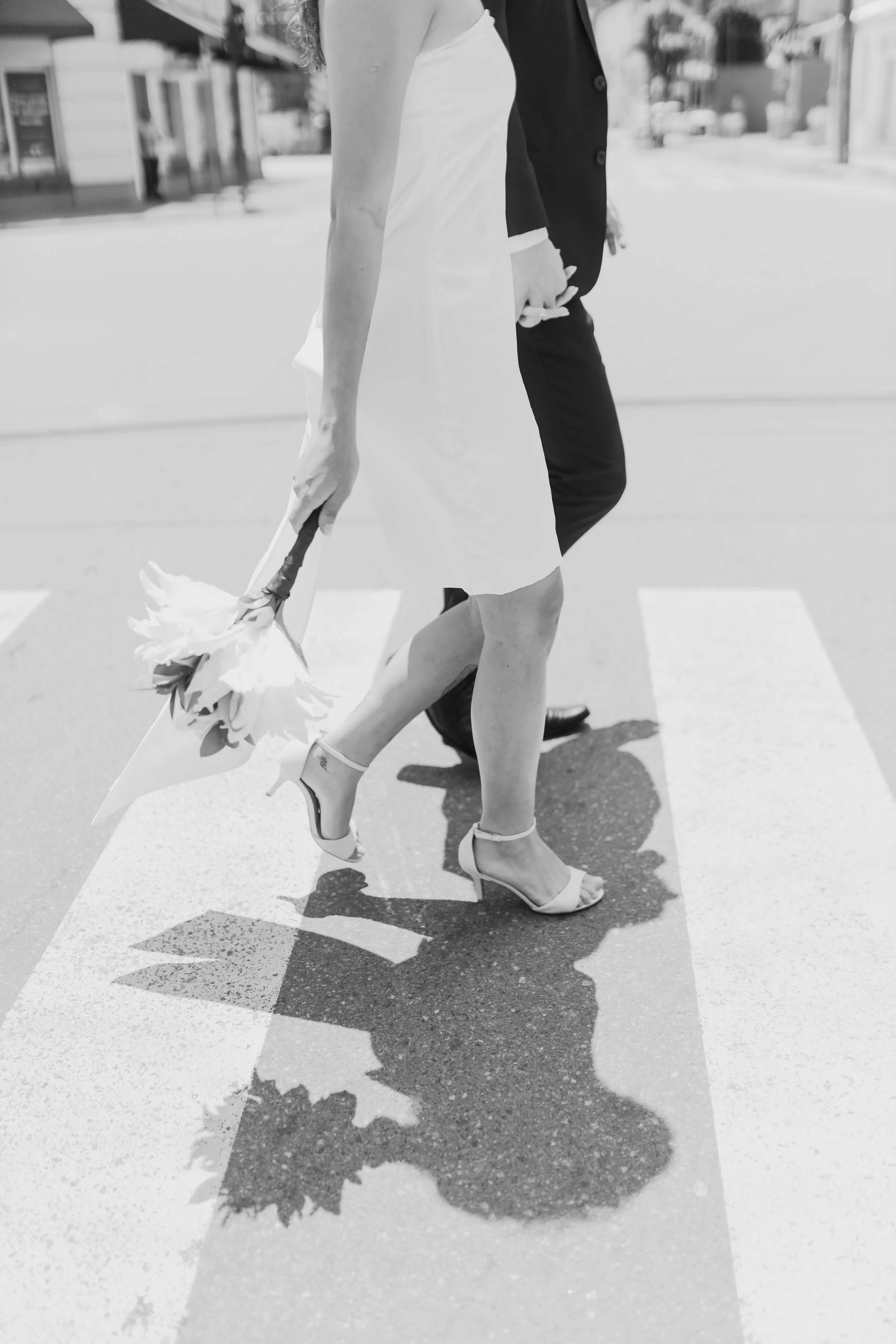
When it comes to vows, you’ve got options.
Some couples write their own, some prefer a bit of guidance, and some just want something simple that still feels personal. There’s no pressure to perform or be overly poetic—it just needs to feel genuine.
And honestly, the best vows are usually the ones that sound like the person saying them.
Rings, promises, and anything else you want to include
The ring exchange sits naturally within the ceremony, but beyond that, you’ve got complete flexibility.
If you want to include readings, music, or something symbolic (like handfasting, candle lighting, tree-planting, drinking from a family quaich, sand ceremony), we can. If you don’t, that’s absolutely fine too.
Nothing is there for the sake of tradition—it’s there because it means something to you.
The ending (and that “just married” moment)
We bring everything together in a way that reflects what’s just been shared—your story, your promises, the whole atmosphere of the ceremony.
And then comes that moment. You’re introduced as a married couple, you walk back up the aisle, and suddenly it all feels very real.
So how is this different from a registrar ceremony?
If you’re comparing your options, this is usually the point where things click.
A registrar ceremony is there to handle the legal side of your marriage, and it follows a set structure to make sure that’s done properly. You are rushed for time, as the registrar almost always has another wedding to get to that day.
A celebrant ceremony is about everything else—the meaning, the atmosphere, the experience.
If you want a full breakdown, you can read more here: Celebrant vs Registrar: What’s the Difference?
(Internal link to your main blog)
The bit couples always say afterwards
I hear this a lot:
“That didn’t feel like a ceremony we had to get through… it felt like the best part of the day.”
And that’s really the difference. It’s not about doing more—it’s about doing something that actually reflects you and taking time and a lot of care, with your story.
Planning your wedding this year?
If you’re thinking about a celebrant-led ceremony and want to explore what that could look like for you, you’re very welcome to get in touch.
Head over to my contact page and tell me a bit about your plans, I would absolutely love to hear what you’re dreaming up.
