
Naming Ceremony vs Christening: What’s the Difference (and Which Is Right for Your Family?)
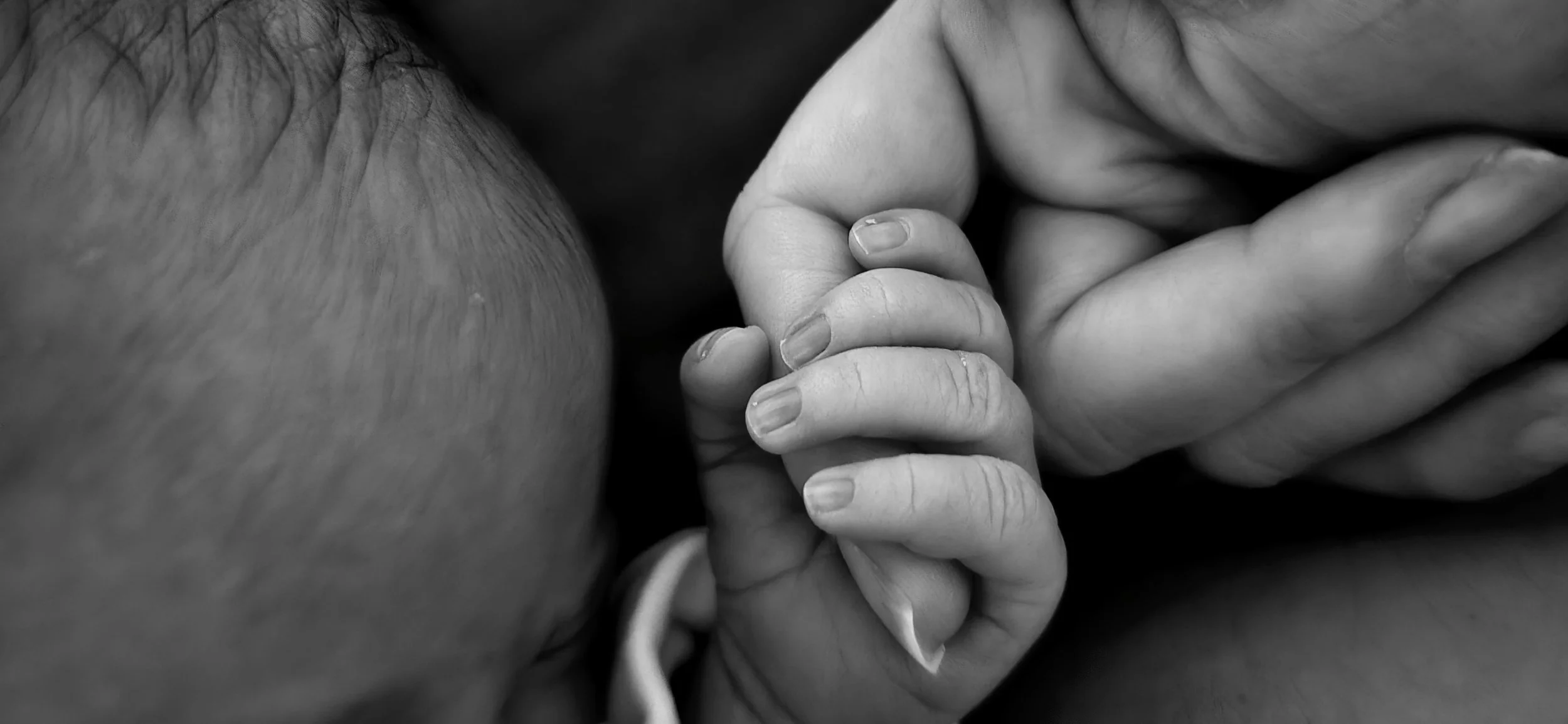
If you’re welcoming a child into your family—whether through birth, adoption, fostering, or a beautifully blended family dynamic—you might be wondering how you want to mark the moment.
For some, a traditional christening feels like the natural choice. For others, it doesn’t quite fit. And increasingly, families are asking:
Is there another way to celebrate this properly, but in a way that feels more like us?
That’s where naming ceremonies come in.
So, what is a christening?
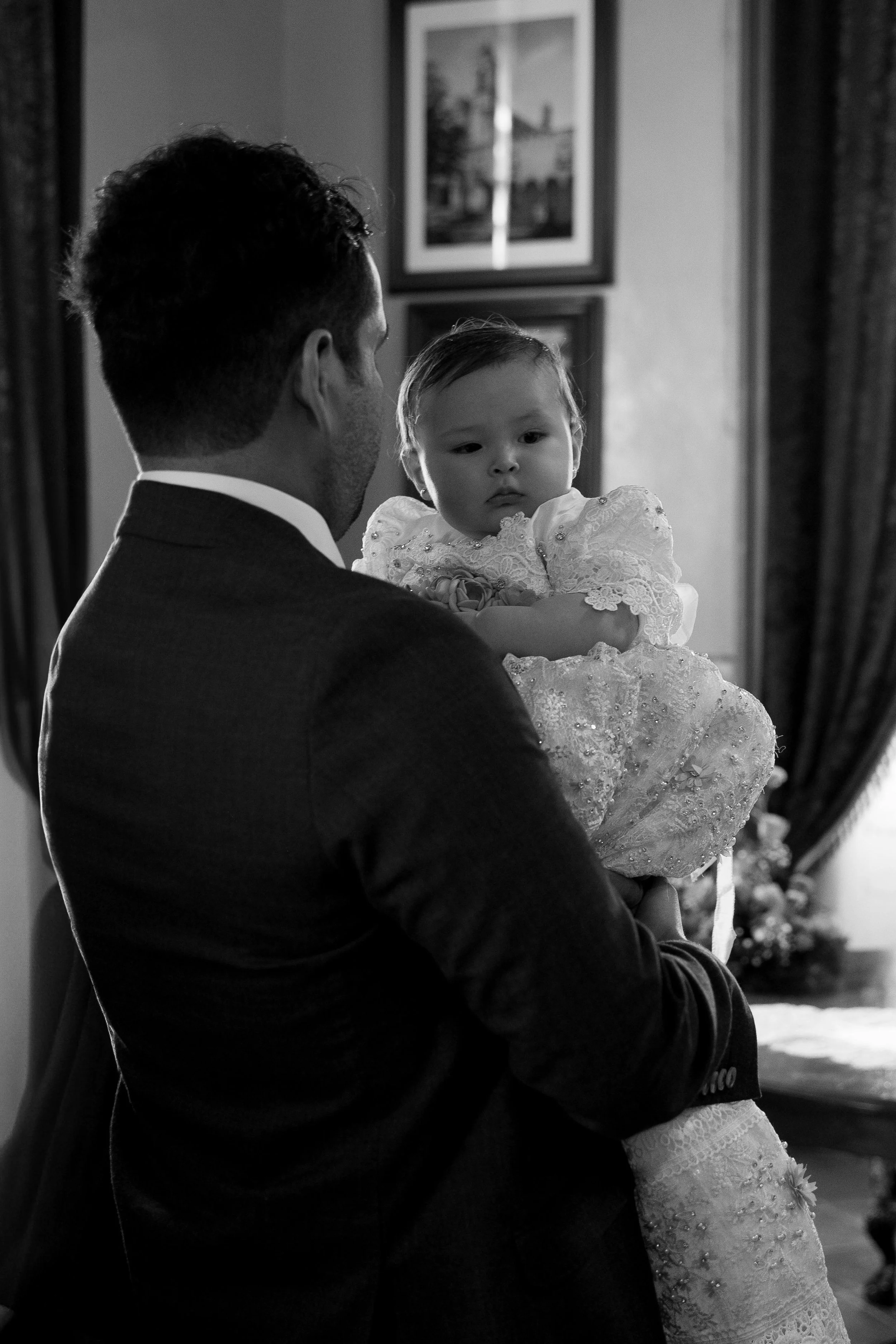
A christening is a religious ceremony, usually held in a church, where a child is baptised into the Christian faith.
It follows a set structure and includes:
Baptism with water
Religious readings and prayers
Godparents making promises on behalf of the child
For families with a strong connection to their faith, it can be a meaningful and traditional way to welcome a child.
But it is, by its nature, rooted in religion—and that’s where it may not feel quite right for everyone.
And what is a naming ceremony?
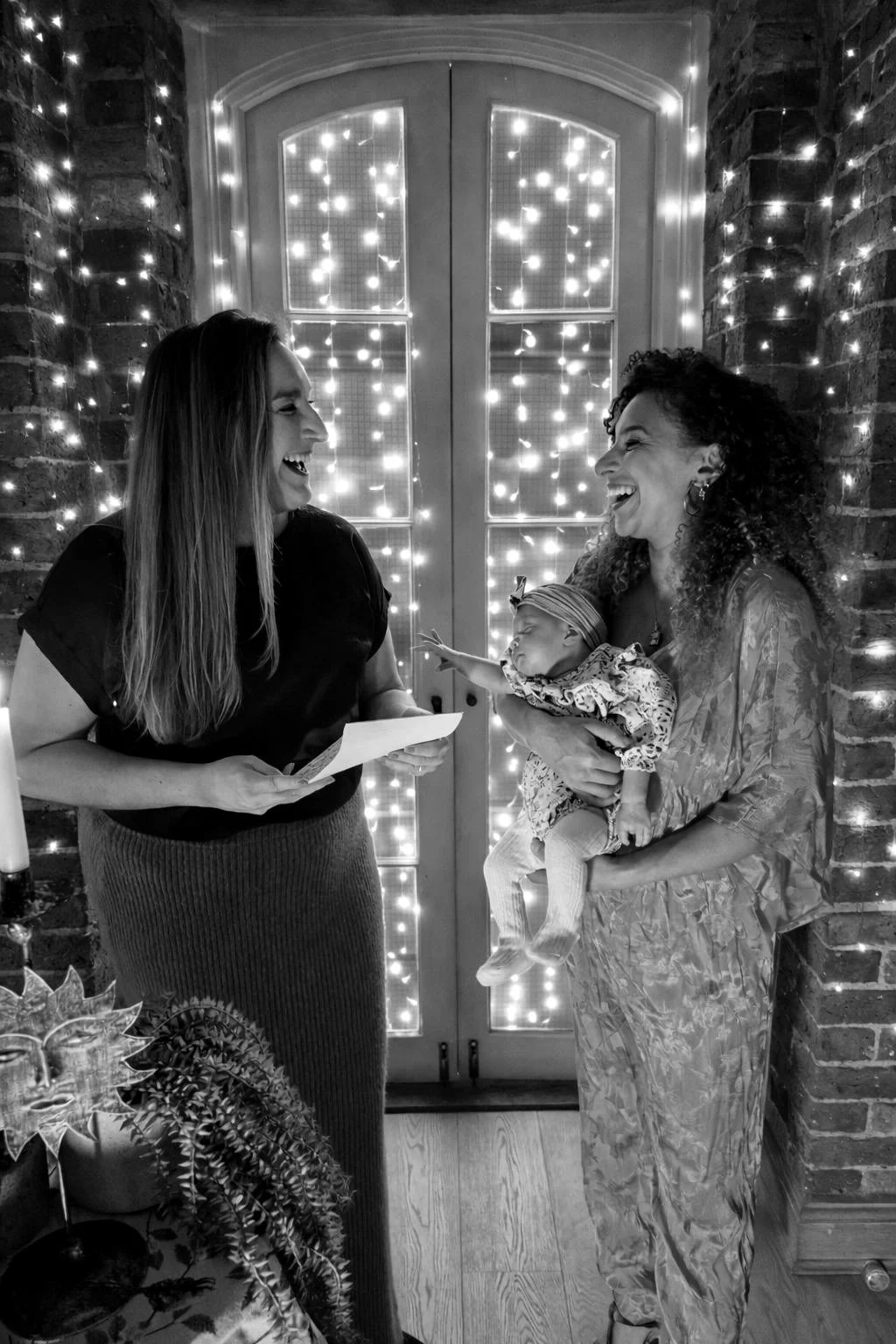
A naming ceremony is a non-religious, fully personalised way to welcome a child into your family and community.
There are no fixed scripts, no expectations, and no rules about what it should look like.
Instead, it’s created around you—your family, your values, and what this moment means.
It can be:
Warm and relaxed
Thoughtful and meaningful
Joyful (often with a bit of laughter woven in)
As simple or as detailed as you’d like
And most importantly, it’s inclusive.
Why many families are choosing naming ceremonies
One of the biggest reasons families choose a naming ceremony is flexibility.
Not just in format—but in meaning.
It allows you to celebrate:
A new baby
An adopted child joining your family
A fostering journey
Stepchildren becoming part of a blended family
A name change or identity celebration
There’s no “one story” that fits all families anymore—and naming ceremonies reflect that.
They’re not about tradition for the sake of it. They’re about marking something important, in a way that actually feels genuine.
What happens in a naming ceremony?
This is usually the next question—and the answer is: it’s completely up to you.
But to give you a feel, most naming ceremonies include a natural flow:
A welcome, where everyone is brought together and the tone is set.
Your story, which might include your journey to becoming a family, your child’s arrival, or what this moment represents for you.
Promises, where parents (and often supporting adults—similar to godparents, but without the religious aspect) share what they hope and commit to.
Readings or contributions from friends and family, if you’d like to include them.
And sometimes a symbolic element—something small but meaningful that marks the moment in a tangible way.
The whole thing is designed to feel relaxed, personal, and genuinely reflective of your family.
Naming ceremony vs christening: the real difference
On paper, the difference is simple:
A christening is religious and follows a set structure.
A naming ceremony is non-religious and completely bespoke.
But in practice, the difference is more about how it feels.
A christening connects your child to a specific faith and tradition.
A naming ceremony creates space for you to celebrate your child—and your family—in a way that reflects your own beliefs, values, and story.
Neither is better or worse. It’s simply about what feels right for you.
Making it special (without it feeling overdone)
One of the concerns some parents have is whether a naming ceremony will feel “as meaningful” as a christening.
The answer is yes—but in a different way.
Because it’s personal, it tends to feel more connected.
You’re not following a format—you’re creating a moment.
That might be through the words that are shared, the people involved, or the atmosphere you create. Often it’s the smaller, thoughtful touches that make it memorable, rather than anything overly elaborate.
A heartfelt note on inclusivity
This is something I care about deeply.
Families don’t all look the same anymore—and they shouldn’t have to fit into a traditional structure to be celebrated properly.
Naming ceremonies allow space for:
Adoptive parents
Foster families
Same-sex parents
Blended families
Anyone creating a family in their own way
No explanations needed. No boxes to tick. Just a ceremony that reflects what is, rather than what’s expected.
Which one should you choose?
If your faith is an important part of your life, a christening may feel like the right path.
But if you’re looking for something that’s:
Personal rather than prescribed
Inclusive rather than traditional
Flexible in both location and content
…then a naming ceremony might be exactly what you’re looking for.

Thinking about a naming ceremony in Brighton or West Sussex?
If you’re exploring options and want to see what a naming ceremony could look like for your family, you can find more details here: Naming Ceremony Services in Brighton & West Sussex
Or, if you’d prefer to talk it through, you’re very welcome to get in touch. I’m always happy to help you shape something that feels right—without overcomplicating it.
